
Verruca Treatments Explained: What Works and When to Seek Professional Help
Verrucas are one of the most common foot conditions we see in clinic, yet they are often misunderstood. Some disappear on their own, while others become painful, spread, or resist months of home treatment. If you’ve ever wondered why some verrucas are so stubborn—or which treatments actually work—you’re not alone.
At Foothealth & Wellness Clinic, we offer professional verruca assessment and treatment plans tailored to the individual, including advanced options such as Verrutop and plasma treatment.
A verruca is a type of wart caused by the human papillomavirus (HPV). It develops on the soles of the feet and is often picked up in communal areas such as swimming pools, gyms, and changing rooms. Because they grow on weight-bearing areas, verrucas are pushed inward by pressure from walking, which can make them painful.
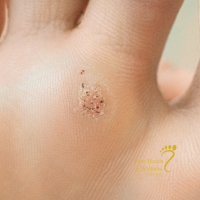
Verrucas can appear differently from person to person. Some look like rough patches of hard skin, while others may show tiny black dots, which are small blood vessels inside the lesion. They may occur alone or in clusters, known as mosaic verrucas.
One of the biggest misconceptions is that all verrucas need aggressive treatment immediately. In some cases, especially in children, the body’s immune system may clear the virus naturally over time. However, this process can take months or even years, and many people seek treatment because the verruca becomes painful, spreads, or starts affecting daily activities.
Home treatments are often the first step people try. These usually contain salicylic acid, which works by gradually breaking down the infected skin. While they can be effective for some superficial verrucas, they require consistency and patience, and many people stop treatment too early. Overuse can also damage healthy surrounding skin.
Professional treatment is often recommended when verrucas are painful, persistent, spreading, or not responding to over-the-counter products. At Foothealth & Wellness Clinic, we assess the size, depth, location, and type of verruca before recommending the most suitable treatment option.
One popular treatment we offer is Verrutop. Verrutop is a topical verruca treatment designed to target the infected tissue while minimising damage to surrounding healthy skin. It works by creating a controlled chemical reaction within the verruca tissue, helping the body remove the affected skin over time. Treatment is quick, requires no needles, and is often suitable for patients who may be nervous about more invasive procedures. Multiple sessions may be needed depending on the size and persistence of the verruca.
For more stubborn or resistant verrucas, plasma treatment may be recommended. Plasma technology works differently by creating a tiny electrical arc that precisely targets the verruca tissue. This causes controlled micro-trauma to the affected area while stimulating a healing response. Plasma treatment can be particularly useful for verrucas that have failed to respond to traditional methods or for lesions that are deeply embedded.
One advantage of plasma treatment is its precision. It allows the practitioner to target the verruca tissue directly while preserving surrounding skin as much as possible. Following treatment, a small scab usually forms as the area heals. Aftercare is important to reduce infection risk and support recovery.
No verruca treatment can guarantee instant results because the immune system still plays an important role in clearing the virus. This is why some verrucas respond quickly while others require multiple treatments or a combination approach. Factors such as immune health, pressure on the area, and how long the verruca has been present can all affect treatment success.
There are also situations where professional assessment is especially important. If you have diabetes, poor circulation, reduced sensation, or any condition affecting healing, you should avoid self-treatment and seek advice from a qualified Foot Health Practitioner or podiatry professional.
Preventing verrucas from spreading is also important. Avoid picking them, keep feet clean and dry, avoid sharing towels or footwear, and wear flip-flops in communal areas such as swimming pools and gym changing rooms.
At Foothealth & Wellness Clinic, we understand that verrucas can be uncomfortable, frustrating, and sometimes embarrassing. Our goal is to provide honest advice and personalised treatment options based on your individual needs, whether that involves monitoring, Verrutop, plasma treatment, or a combination approach.
If you’re struggling with a painful or persistent verruca, we’re here to help.
Book your verruca assessment today at Foothealth & Wellness Clinic:
www.foothealthandwellnessclinic.co.uk