PRP for Face and Hair: What Is Platelet-Rich Plasma and How Does It Work?
If you’re looking for PRP treatment in Beverley to improve skin quality or support thinning hair, Platelet-Rich Plasma therapy offers a natural approach using components taken from your own blood.
At Foothealth and Wellness Clinic, we offer PRP treatments for both facial rejuvenation and hair thinning, helping clients from Beverley, Hull and across East Yorkshire who want subtle, natural-looking results without dramatically changing their appearance.
PRP is increasingly used within aesthetic medicine to support skin regeneration and to help improve hair density in suitable clients experiencing certain forms of hair loss.
What Is PRP Treatment?
PRP stands for Platelet-Rich Plasma.
Your blood naturally contains red blood cells, white blood cells, plasma and platelets. Platelets play an important role in the body's repair and healing processes and contain a number of naturally occurring growth factors.
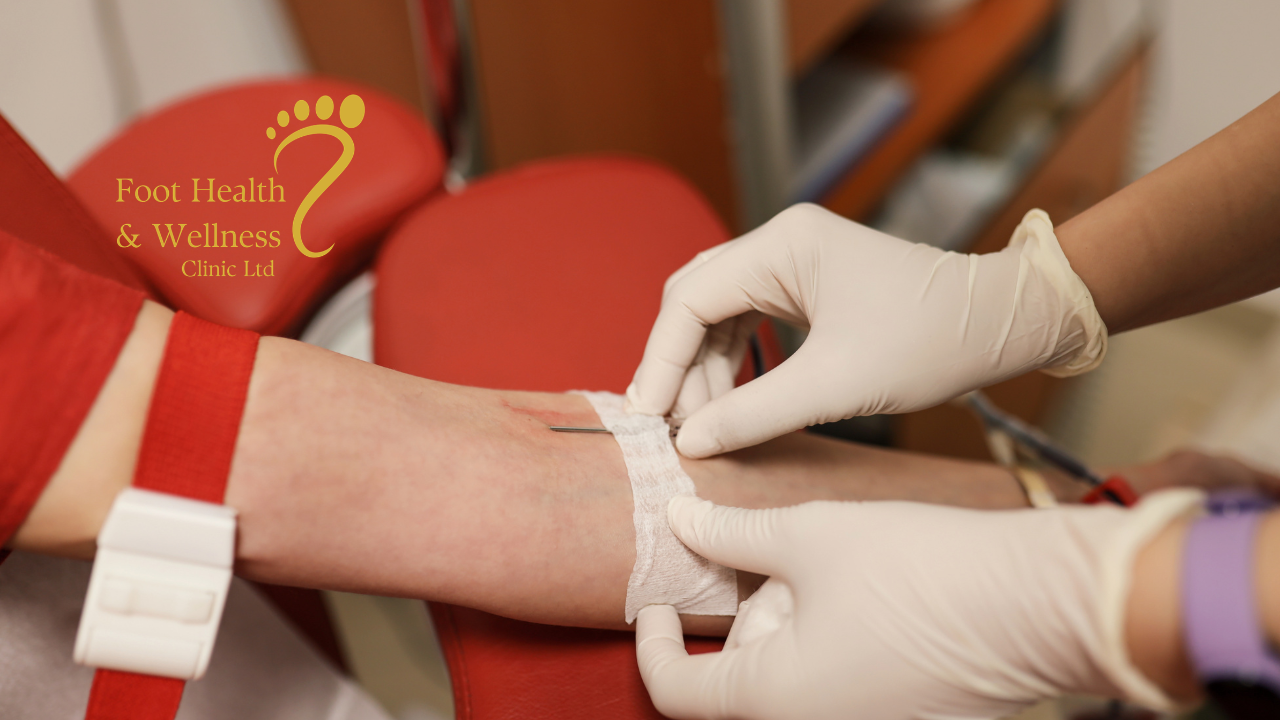
During a PRP treatment, a small amount of blood is taken from your arm, similar to a routine blood test.
The blood is then placed into a specialist centrifuge, which spins it to separate its different components. This allows the platelet-rich plasma to be isolated.
The prepared PRP can then be introduced into selected areas of the skin or scalp using small injections.
Because the PRP comes from your own blood, it is described as an autologous treatment.
PRP Facial Treatment in Beverley
As we age, the skin naturally produces less collagen and elastin. This can lead to changes including:
- Fine lines
- Crepey skin
- Loss of firmness
- Uneven skin texture
- Dull or tired-looking skin
- Reduced elasticity
A PRP facial treatment is designed to support the skin's natural regenerative processes rather than add artificial volume.
This can make PRP particularly appealing for people looking for natural facial rejuvenation in Beverley who want to improve skin quality without dramatically altering their facial features.
What Can PRP for the Face Help With?
PRP facial rejuvenation may be considered for concerns including:
Fine Lines
PRP may help support improvements in skin quality where fine lines and early signs of ageing are becoming noticeable.
Skin Texture
PRP can be used as part of a treatment plan aimed at improving the appearance and texture of the skin.
Crepey Skin
Areas where the skin has become thinner or more delicate may benefit from treatments focused on regeneration and collagen support.
Dull or Tired-Looking Skin
Many clients choose PRP because they want their skin to look fresher, healthier and more rejuvenated without looking overly treated.
Under-Eye Skin
PRP may also be considered for suitable clients concerned about thin or crepey skin around the eye area.
A consultation is required to determine whether PRP is appropriate for your individual concerns.
PRP vs Dermal Fillers: What's the Difference?
PRP and dermal fillers work very differently.
Dermal fillers are generally used to add or restore volume and are commonly made from hyaluronic acid.
PRP does not add artificial volume.
Instead, PRP uses components from your own blood with the aim of supporting the body's natural regenerative response.
Some clients may benefit from combining different aesthetic treatments, while others prefer PRP because they want a more natural approach to facial rejuvenation.
At Foothealth and Wellness Clinic, our approach to aesthetics focuses on helping you look refreshed while maintaining the features that make you look like you.
PRP Hair Loss Treatment in Beverley
PRP is also increasingly used as a treatment for certain forms of hair thinning and hair loss.
PRP is injected into targeted areas of the scalp with the aim of supporting existing hair follicles and creating an environment that may encourage healthier hair growth.
It is particularly associated with the treatment of androgenetic alopecia, commonly known as:
- Male pattern hair loss
- Female pattern hair loss
PRP cannot create new hair follicles where follicles are no longer present, which is why assessment and realistic expectations are important.
Who Might Benefit From PRP for Hair?
PRP hair treatment may be worth considering if you are experiencing:
- Gradual hair thinning
- Reduced hair density
- Male pattern hair loss
- Female pattern hair loss
- Early-stage hair thinning
- Increased visibility of the scalp
Generally, PRP may be more useful when hair follicles are still present rather than in areas where there has been long-standing complete hair loss.
Why Is a Hair Loss Consultation Important?
There are many possible causes of hair loss.
These can include:
- Hormonal changes
- Nutritional deficiencies
- Stress
- Genetics
- Thyroid conditions
- Certain medications
- Autoimmune conditions
- Scalp disorders
- Illness
- Changes following pregnancy or menopause
This means PRP should not automatically be viewed as the correct treatment for every person experiencing hair loss.
A consultation allows us to discuss your hair loss, medical history and expectations before deciding whether treatment is appropriate.
In some circumstances, further medical investigation may be recommended before proceeding.
What Happens During a PRP Treatment?
Your PRP appointment will usually involve several stages.
1. Consultation
We discuss your concerns, medical history, medications and treatment goals.
For hair loss, we will also consider the pattern and history of your thinning.
2. Blood Collection
A small amount of blood is taken from your arm.
3. Preparing the PRP
Your blood is placed into a specialist centrifuge so that the platelet-rich plasma can be separated and prepared.
4. Treatment
The PRP is introduced into targeted areas of the face or scalp using a series of small injections.
5. Aftercare
You will receive personalised aftercare advice following your treatment.
Does PRP Treatment Hurt?
PRP involves a number of small injections, so you may experience some discomfort.
Most clients find treatment manageable, although sensitivity differs from person to person.
The scalp can feel particularly sensitive because multiple small injections are required across the treatment area.
Temporary tenderness may also occur afterwards.
Is There Downtime After PRP?
PRP generally involves relatively little downtime.
Depending on the treatment area, you may experience temporary:
- Redness
- Tenderness
- Swelling
- Small injection marks
- Bruising
- Scalp sensitivity
These effects usually settle naturally.
Because PRP is prepared from your own blood, the risk of an allergic reaction to the PRP itself is low. However, PRP still involves blood collection and injections, meaning appropriate infection control, clinical assessment and aftercare are essential.
How Many PRP Treatments Will I Need?
PRP is usually recommended as a course of treatments rather than a single appointment.
The exact number of treatments needed will depend on:
- The area being treated
- Your individual concerns
- Your response to treatment
- Your treatment goals
Maintenance appointments may also be recommended.
Your individual treatment plan will be discussed during your consultation.
How Long Does PRP Take to Work?
PRP does not normally produce an immediate dramatic change.
The treatment is designed to support biological processes within the skin or scalp, so results tend to develop gradually.
For facial rejuvenation, improvements in skin quality may become more noticeable as collagen remodelling occurs.
Hair treatments require patience because hair grows in cycles.
Changes in hair shedding, thickness or density are therefore assessed over a period of months rather than days or weeks.
Individual results vary, and no hair restoration treatment can guarantee a particular outcome.
Is PRP Safe?
Because PRP uses your own blood, it avoids introducing a synthetic filler or donor material into the treatment area.
However, PRP is still an invasive treatment and will not be suitable for everyone.
A thorough consultation and medical assessment are therefore essential.
Who Should Not Have PRP?
PRP may not be suitable for people with certain medical conditions or circumstances.
Particular care is required if you:
- Have a blood or platelet disorder
- Have a clotting disorder
- Have an active infection
- Have an infection or inflammation in the treatment area
- Are currently unwell
- Take certain anticoagulant or antiplatelet medicines
- Have certain conditions affecting immunity or healing
- Are pregnant or breastfeeding
Your medical history and medication will be reviewed before treatment.
You should never stop prescribed medication in order to have PRP treatment unless advised to do so by the clinician responsible for prescribing it.
Why Choose PRP for Natural Facial Rejuvenation?
Not everyone wants their aesthetic treatment to be obvious.
Many of our clients are looking for treatments that help them feel fresher and more confident while allowing them to continue looking like themselves.
PRP fits well with this philosophy because it focuses on skin quality and natural regeneration rather than dramatically changing facial structure.
Our approach at Foothealth and Wellness Clinic is based around subtle, considered treatments and realistic expectations.
PRP for Hair and Skin in Beverley, East Yorkshire
If you've been searching for:
PRP Beverley
PRP facial Beverley
PRP hair treatment Beverley
PRP for hair loss near Hull
PRP skin rejuvenation East Yorkshire
or platelet-rich plasma treatment near me, our clinic offers consultations to help you understand whether PRP is appropriate for you.
We welcome clients from Beverley, Hull and surrounding areas of East Yorkshire.
Frequently Asked Questions About PRP
What does PRP stand for?
PRP stands for Platelet-Rich Plasma. It is produced from a small sample of your own blood.
Can PRP make my face look younger?
PRP is designed to support skin quality and regeneration rather than dramatically change your appearance. Some clients choose it to address fine lines, texture, crepey skin and general signs of ageing.
Can PRP regrow hair?
PRP may help improve hair density and support existing follicles in some people with certain types of hair loss. It cannot create completely new hair follicles and results vary between individuals.
Does PRP work for female hair loss?
PRP may be considered for women experiencing certain types of thinning, particularly female pattern hair loss. The cause of hair loss should be assessed before treatment.
Does PRP work for male pattern baldness?
PRP may be useful for some men experiencing androgenetic alopecia, particularly where follicles remain active. It is less likely to help an area where there has been complete hair loss for a prolonged period.
Is PRP better than filler?
They are different treatments rather than direct alternatives.
Dermal fillers are mainly used to add or restore volume, whereas PRP aims to support natural regenerative processes within the skin.
Your practitioner can discuss which approach is most appropriate for your concerns.
How many PRP sessions do you need for hair loss?
Most PRP hair programmes involve a course of treatments followed by assessment and, where appropriate, maintenance treatments. Your recommended treatment schedule will be discussed during consultation.
Can PRP be combined with other treatments?
In suitable clients, PRP may form part of a wider skin or hair treatment plan. Your practitioner can discuss appropriate combinations based on your individual goals.
Book a PRP Consultation in Beverley
If you're considering PRP for facial rejuvenation or hair thinning, the first step is a consultation.
We can discuss your concerns, assess your suitability and explain what PRP can — and just as importantly, cannot — realistically achieve.
At Foothealth and Wellness Clinic, our aim is to provide treatments that complement your natural features and help you feel confident without making you look overtreated.
Looking for PRP treatment in Beverley? Contact Foothealth and Wellness Clinic to book your consultation and discover whether PRP for your face or hair could be suitable for you.